
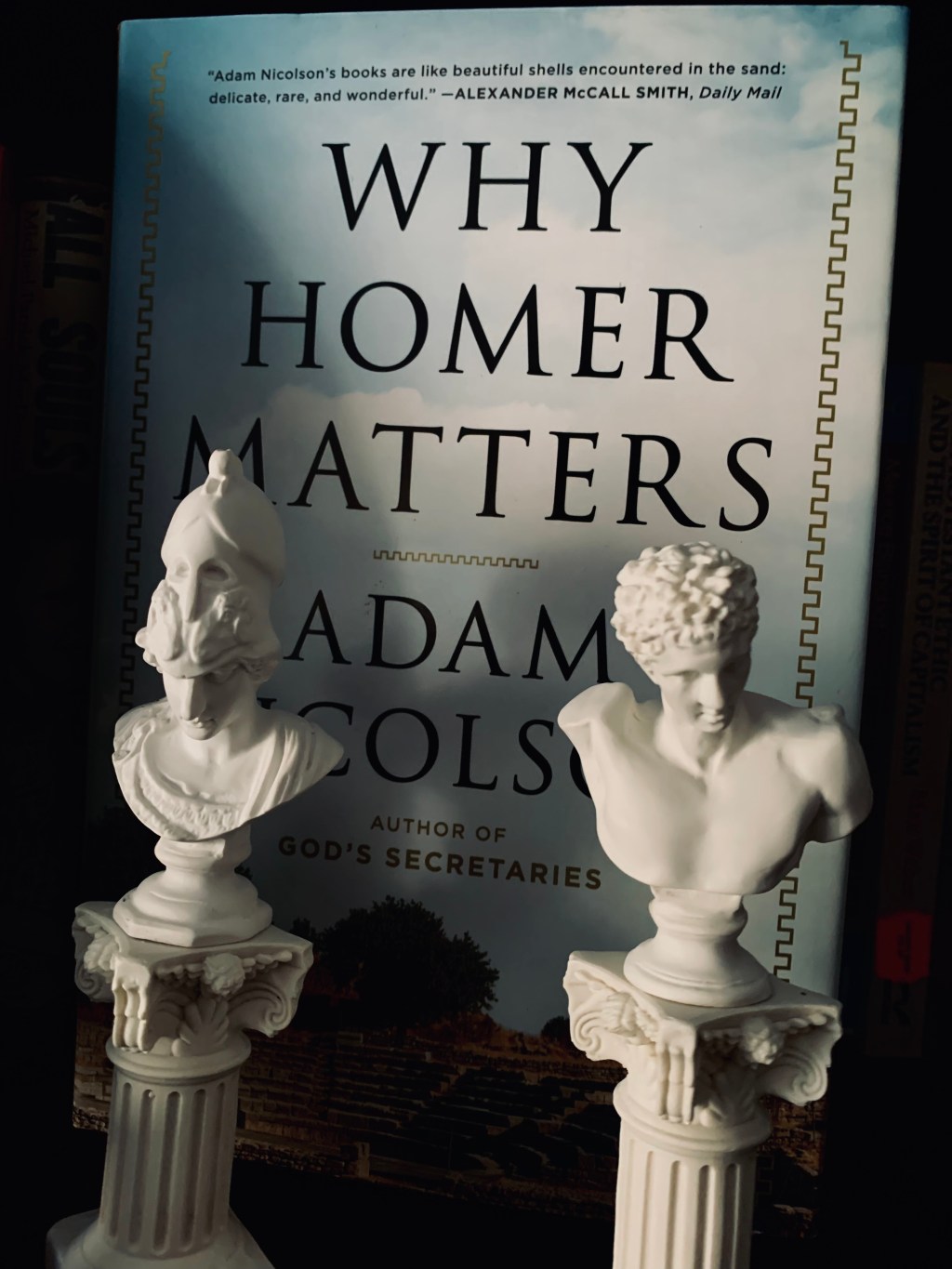
In Why Homer Matters, Adam Nicolson compares the two worlds of Homer. In the world of the Trojans, high walls, urban institutions, and political order prevail; while in the world of the Greeks, the unconquered sea and plains, heroic violence, and political instability are supreme.
What sort of man is required in each world? Which values? What skills?
Ten years ago, the United States was very much like Troy: tightly ordered, valuing technical sophistication, and adhering to tidy and stable social stratification.
In this world, men understood what it took to move ahead, which behaviors they had to master – and which instinctual drives and appetites they had to suppress – in order to have a seat at the table.
Fighting men, soldiers, martial artists, shooters, and outdoorsmen – men intimately familiar with life and death – existed as a novelty. They partook recreationally in their pursuits and used them as surrogates for forms of self expression that would otherwise find them firmly outside the established order.
Today we can see that the neat order of the Trojan city is beginning to unravel.
We are being propelled towards the kind of world that existed outside Troy’s powerful stately walls: a world of grit and violence, of cunning and initiative.
We are approaching a world wherein men must find ways to secure an existence without provoking a direct confrontation with the state; but while understanding that it’s ability to ensure order is fading.
In many ways, those men who may have recently been outcasts will find themselves more and more necessary. Men will find that the traits and instincts they had been suppressing will be called to the fore.
If you want to understand what the value systems of these two worlds look like, and if you want to explore the heroic bedrock of Western manhood, read Why Homer Matters.
Pallas Comitatus is about recreating ourselves in order to thrive beyond the protective walls and civilized order.
Become Worthy



 PALLAS COMITATUS
Leave a comment